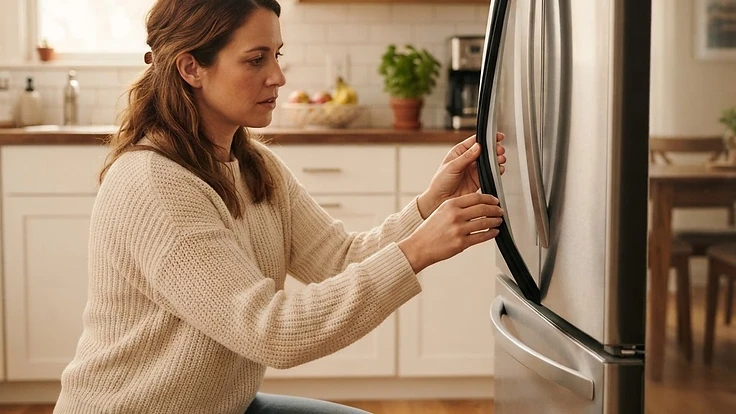
Why Your Refrigerator Door Won't Seal Properly (And How to Fix It Before It Costs You)
A loose or dirty fridge gasket can spike your energy bill and spoil food—here's how to diagnose and fix it yourself.
Why Your Refrigerator Door Won't Seal Properly (And How to Fix It Before It Costs You)
If you've noticed your fridge running longer than usual, frost building up inside, or a faint hum that never seems to stop, the culprit might be something surprisingly simple: a door that isn't sealing right. A compromised seal lets warm, humid air sneak in every time the compressor cycles, forcing your fridge to work overtime — and driving up your energy bill in the process.
The good news? This is one of the easiest appliance problems to diagnose and fix yourself, often without spending a dime.
The Dollar Bill Test
Before you start troubleshooting, confirm there's actually a problem. Here's a quick test that takes less than two minutes:
- Open the fridge door and place a dollar bill (or a strip of paper) so it hangs halfway in and halfway out, right where the gasket meets the frame.
- Close the door and gently pull the bill out.
- If it slides out with little to no resistance, your seal isn't gripping properly in that spot.
Repeat this along the top, bottom, and both sides of the door — gaskets often fail in just one section, not the whole perimeter. Check the same way on the freezer door if your fridge has one.
Common Causes of a Bad Seal
1. Dirty or sticky gasket. Food residue, spills, and general grime build up on the rubber seal over time, preventing it from forming a tight bond with the fridge frame. This is the most common — and easiest — fix.
2. Worn or cracked rubber. Gaskets lose their elasticity after 8–10 years of daily use. Look closely for cracking, stiffness, or areas where the rubber has pulled away from the door.
3. A warped door. Overloading the door shelves, leaning on the door, or simply years of use can cause the door itself to warp slightly, especially near the hinges.
4. Loose hinges. If the door sags even a little, it won't align with the frame correctly, and no amount of gasket cleaning will fix that.
5. Furniture or flooring blocking a full swing. Sometimes the fridge itself isn't level, which throws off how the door closes. More on that below.
How to Fix a Dirty or Stiff Gasket
This fixes the problem in roughly 80% of cases, and it costs nothing:
- Mix warm water with a few drops of mild dish soap.
- Use a soft cloth or old toothbrush to scrub along every fold and crevice of the gasket — grime loves to hide in the ridges.
- Rinse with a clean, damp cloth and dry thoroughly.
- Once dry, apply a thin coat of petroleum jelly or food-safe silicone grease to the rubber. This restores flexibility and helps the gasket grip the frame again.
- Close the door and run the dollar bill test again to confirm the improvement.
Do this every 3–4 months as routine maintenance, especially in kitchens with a lot of cooking splatter.
Reshaping a Gasket That's Pulled Away
If the gasket looks fine but has puckered or isn't lying flat in spots, try this trick before replacing anything:
- Heat the gasket gently with a hairdryer on low for 30–60 seconds (never use high heat, which can damage the rubber).
- While warm, press the gasket firmly back into place against the door.
- Hold it there for a few seconds and let it cool in position.
The warmth makes the rubber temporarily more pliable, helping it reset into the correct shape.
When You Need a New Gasket
If the rubber is cracked, torn, or permanently stiff, cleaning won't solve it. Replacement gaskets are sold by appliance make and model and typically cost $20–$60. To install one:
- Check your fridge manual or the manufacturer's website for the exact part number.
- Most gaskets snap into a retaining channel along the inside edge of the door — no tools required, though a flathead screwdriver can help pry the old one loose.
- Work the new gasket in section by section, starting at a corner, pressing it firmly into the channel as you go.
- Let it sit for a few hours before closing the door, allowing the rubber to relax into shape.
Check the Fridge's Level, Too
An unlevel refrigerator can cause doors to swing open slightly or fail to seal evenly, even with a perfectly good gasket. Place a level on top of the fridge, side to side and front to back. Most fridges have adjustable front legs — turn them clockwise to raise that side slightly. The fridge should tilt back just a degree or two; this uses gravity to help the door swing shut and stay closed.
Why This Matters More Than You Think
A fridge with a failing seal can use 20–30% more energy just to maintain temperature, according to typical appliance efficiency estimates. Beyond the electric bill, you're also risking:
- Food spoiling faster due to temperature swings
- Excess frost buildup in the freezer
- Extra strain on the compressor, which can shorten the fridge's overall lifespan
Catching this early is a low-effort way to protect both your food budget and a major appliance that's expensive to replace.
A Quick Seasonal Habit
Add the dollar bill test to your routine maintenance checklist twice a year — spring and fall are easy times to remember. Pair it with wiping down the gasket, and you'll catch small issues long before they turn into a warm fridge full of spoiled groceries.
Keeping track of small maintenance tasks like this one is exactly where things tend to slip through the cracks. Start your free HomeNostics trial and let the app remind you when it's time to check gaskets, clean coils, and handle the dozens of small jobs that keep your home running efficiently.